
Intellectual property arbitration
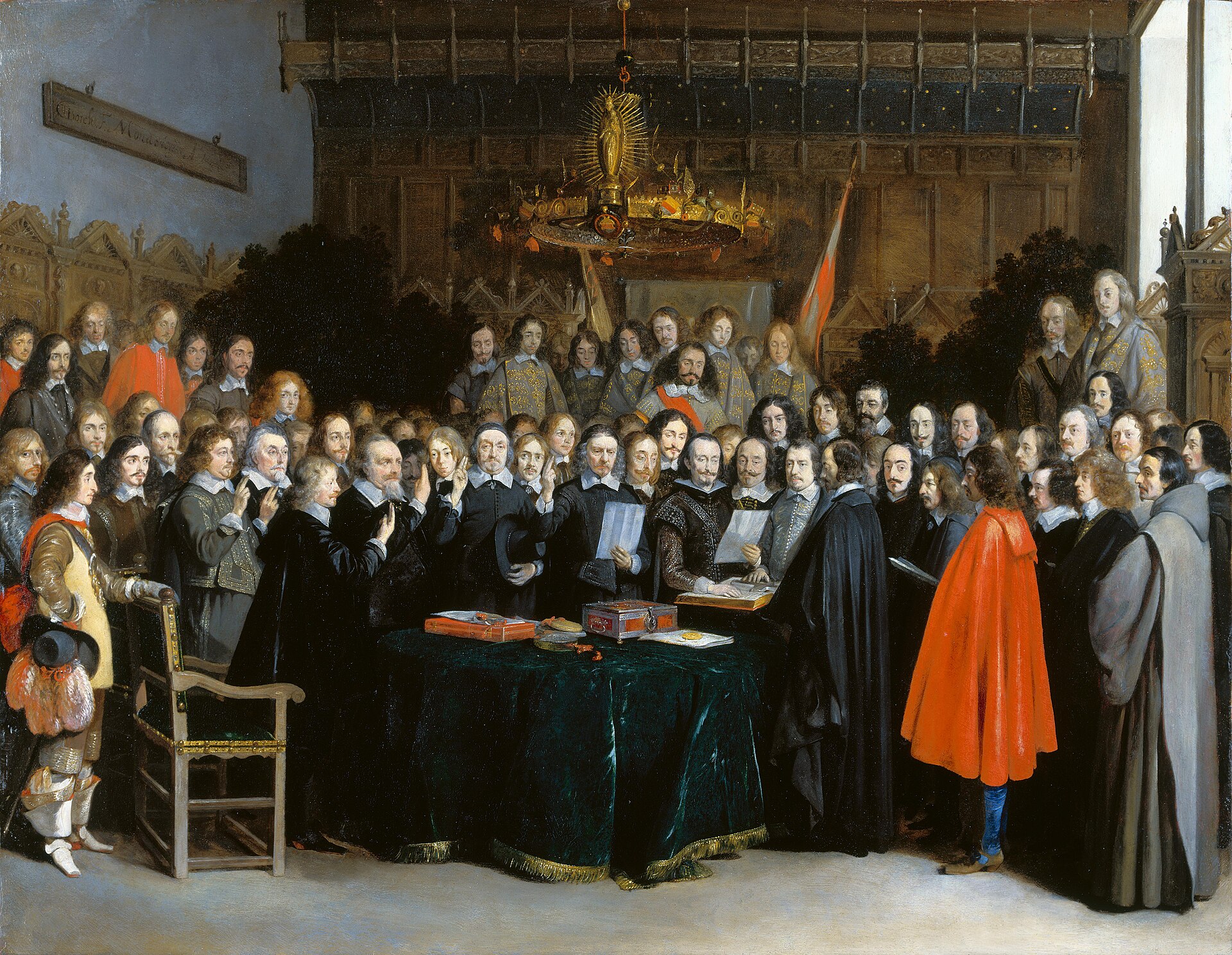
Arbitration entrusts a dispute to one or more arbitrators chosen by the parties, whose award has the force of a judgment. It differs from mediation, in which a third party helps the parties reach an agreement without being able to impose one. In intellectual property, arbitration plays a growing role, particularly for patents, licences and FRAND commitments.
A forum of the parties’ choosing
Arbitration rests on consent. The parties agree to it through an arbitration clause, for instance in a licence agreement, or through a submission agreement once the dispute has arisen. They choose their arbitrators, often for their technical expertise or knowledge of the sector, as well as the language, the seat and the applicable rules. The proceedings remain confidential, which matters when the file contains trade secrets or licensing data. The award then travels easily: the 1958 New York Convention, ratified by more than 170 States, facilitates its recognition and enforcement.
Arbitrability of patent disputes
French law reserves patent actions to the judicial courts, but Article L. 615-17 of the Intellectual Property Code provides that this jurisdiction is without prejudice to recourse to arbitration. Disputes arising from a patent licence agreement, an assignment, a research agreement or co-ownership lend themselves naturally to it.
Validity calls for more caution. An arbitrator may assess it in order to decide the dispute before it, but only a State court can invalidate a patent with effect against all. The Agreement on a Unified Patent Court says so expressly: a patent may not be revoked or limited in mediation or arbitration proceedings (Art. 35(3)).
FRAND licences and standard essential patents
Arbitration is particularly well suited to FRAND licensing. When the holder of a standard essential patent and an implementer disagree on the royalty, an arbitral tribunal can set a rate for an entire portfolio and all its territories in a single proceeding. The firm has analysed this development in relation to Acer v Nokia and the arbitration rules of the UPC Patent Mediation and Arbitration Centre.
The institutions
Several centres administer these proceedings. The WIPO Arbitration and Mediation Center in Geneva specialises in intellectual property disputes. The International Chamber of Commerce (ICC) handles complex commercial arbitrations, a growing share of which involve technology. The UPC Patent Mediation and Arbitration Centre (PMAC), based in Ljubljana and Lisbon, offers a framework of its own for disputes within the Unified Patent Court system. Matthieu Dhenne acts as an arbitrator with the ICC and the PMAC.
Choosing arbitration
Arbitration is not always the best route. It requires both parties’ agreement, and its cost, arbitrators’ fees included, may exceed that of court proceedings. Challenges to the award are narrow, which brings certainty but rules out a second review on the merits. On the other hand, it can bring together in a single proceeding rights and territories that State courts would handle separately.
The choice is made case by case, and often when the contract is drafted, because a well-designed arbitration clause avoids many difficulties on the day the dispute arises. To compare the alternative routes, see also our article on mediation or arbitration in patent law.