
Covid-19: what about an ex officio patent licence to authorise the manufacture of medicines?
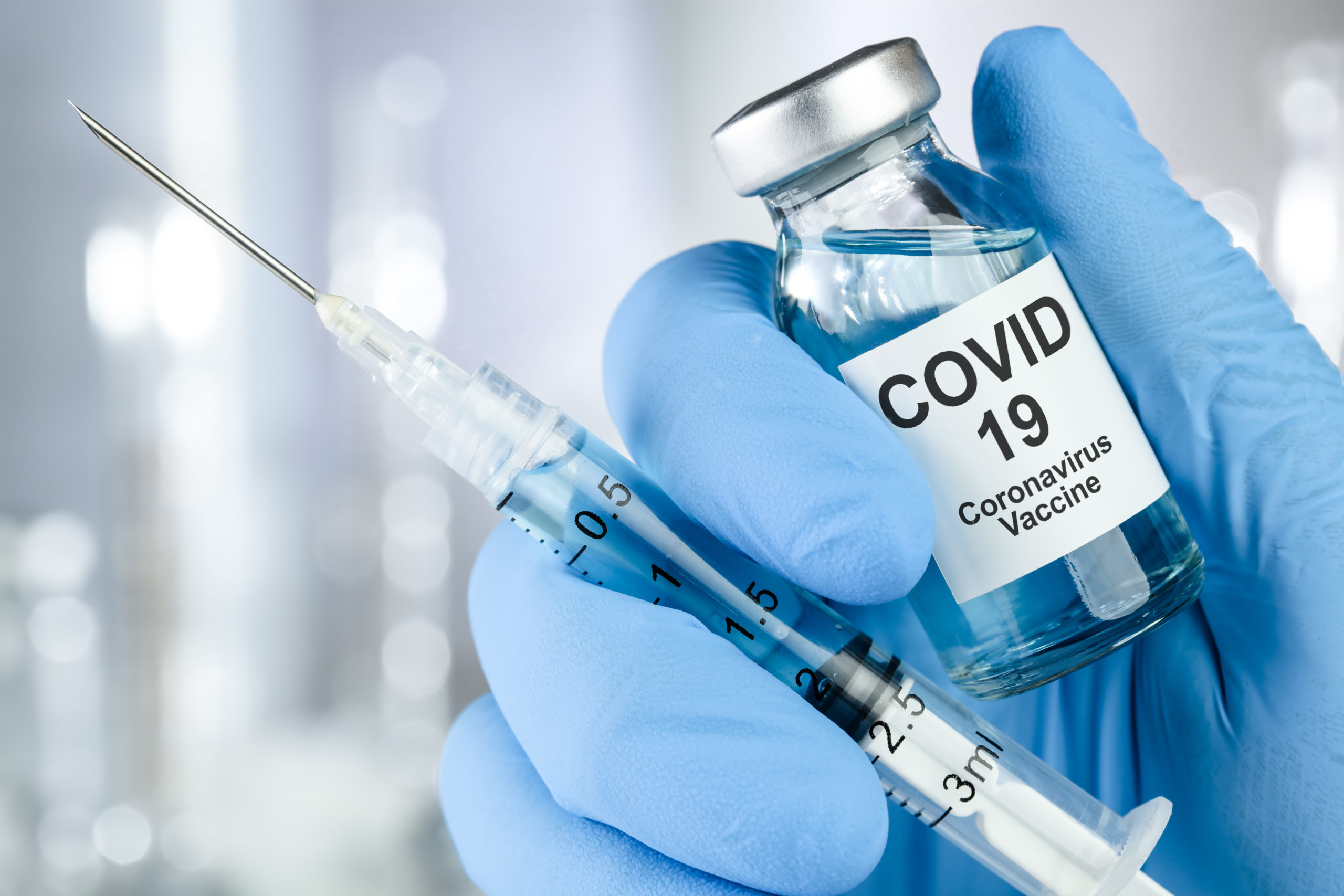
The treatments currently being tested to remedy the SARS-CoV-2 coronavirus, which causes coronavirus disease 19 (known as «Covid-19»), are all based on known substances. The majority of these remain covered by patents while future treatments will be covered by others, for which applications have already been filed or will be: the manufacture of the miracle drug or drugs will therefore, in any case, depend on the authorisations of the patent owners. How will the French authorities thus be able to regain sovereignty over the said manufacture?
Faced with the pandemic that is ravaging the world, we are easily led to believe that patents are a diminishing resource from which state expropriation could easily free us. On 27 March 2020, the German Parliament thus voted a special law amending the Infektionsschutzgesetz (Infection Protection Act). Article 1 of the adopted text provides that within the framework of the Covid-19 pandemic, the Federal Minister of Health may invoke Section 13 of the Patentgesetz, which has never been invoked in the past, and according to which patents will have no effect if the federal government orders that the invention be used in the public interest.
Si l’expropriation allemande peut paraître séduisante de prime abord, elle ne l’est que si on méconnaît le droit des brevets. Non seulement cette mesure contredit la logique même de ce système d’encouragement de la recherche, à un moment où nous en avons pourtant le plus besoin, mais en outre elle fait fi des engagements internationaux de l’Allemagne qui, comme la France, est signataire du Traité sur les ADPIC (i.e. aspects des droits de propriété intellectuelle qui touchent au commerce) dans le cadre de l’OMC. Rappelons que l’exclusivité temporaire accordée par un État à un breveté récompense ses investissements dans la recherche en vue d’aboutir à une invention et que des mécanismes correcteurs ont été instaurés pour éviter que ladite exclusivité ne puisse porter atteinte à l’intérêt général. Or, à ce sujet, le Traité sur les ADPIC prévoit spécifiquement le mécanisme de la licence d’office dans l’intérêt de la santé publique (art. 31). Si la licence constitue un contrat par lequel un droit d’utilisation de l’invention est octroyé par son propriétaire, dans certains cas, ce dernier, en principe libre de contracter ou non avec qui bon lui semble, peut être obligé d’accorder une licence : c’est peut être le cas quand la santé publique est en cause. Certaines conditions devront néanmoins réunies pour qu’une telle licence puisse être mise en place.
Up until now, this mechanism has generally been considered a favour intended for developing and least developed countries to overcome Ebola, HIV, SARS-Cov-1, or MERS-Cov. But the current pandemic seems poised to change practices, with a trend towards the widespread use of compulsory licensing already evident. Thus, on 17 March 2020, the Chilean parliament unanimously adopted a resolution declaring that the global Covid-19 epidemic justified the use of compulsory licensing to facilitate access to vaccines, medicines, diagnostics, devices, supplies and other technologies useful for the surveillance, prevention, detection, diagnosis and treatment of people infected with the coronavirus in Chile. On 19 March, Israel – which has already granted a number of compulsory licences in the past – also announced that such licences would be granted for the lopinavir-ritonavir combination, before the patent holder (the company AbbVie) renounced its rights on 20 March. On 20 March, Ecuador in turn adopted a resolution similar to Chile's. On 25 March 2020, the Canadian Parliament adopted Bill C-13, which concerns certain measures in response to Covid-19, and which introduces, among other things, a compulsory licence during the Covid-19 public health emergency. On 25 March 2020, the company Gilead announced it was withdrawing the orphan drug designation for remdesivir that it had obtained from the US Food and Drug Administration for Covid-19 on 23 March. A withdrawal perhaps foreshadowing that it will not exercise its patent rights on the said molecule either, as requested by around a hundred NGOs and a dozen personalities in an open letter addressed on 30 March 2020 to the CEO of Gilead.
In France, proposal n° 2814, lodged with the National Assembly on 7 April 2020, suggests easing the conditions for awarding the compulsory licence. It is true that while French law has this latter (Articles L. 613-16 to L. 613-18 of the Intellectual Property Code), it has never yet been used. Its unfamiliarity and complexity are certainly not unrelated to this lack of use. The substantive and formal conditions are particularly strict and would, no doubt, warrant the legislator refining them, while keeping in mind compliance with Article 31 of the TRIPS Agreement. For instance, it might be possible to consider extending the licence to patent applications, which are currently not covered. Regulatory aspects would also deserve attention. It would doubtlessly be necessary, in particular, to extend the licence to supplementary protection certificates, which protect medicines upon patent expiry. Furthermore, it would be advisable to ensure that the licensee can obtain a marketing authorisation (MA) or a temporary authorisation for use (TAU) and that an orphan designation or a paediatric investigation plan cannot hinder the exploitation of the invention.
The path considered by the draft law of 7 April 2020 is therefore interesting, although it appears poorly defined upon reading its explanatory statement. This is all the more so as Article 2 of Law No. 2020-290 of 23 March 2020, which introduces a new Article L. 3131-15 into the Public Health Code, would seemingly allow the Prime Minister to intervene on regulatory aspects, given that it states the Prime Minister may, by regulatory decree, intervene «as needed, take any measure enabling the provision of appropriate medicines to patients for the eradication of the public health catastrophe».
Therefore, all that remains is to hope that the interest of these intellectual property issues will be recognised, that they will not be dealt with in haste, so that the measures adopted will ultimately be capable, in the long term, of supporting research and the French economy.