
Covid-19: intellectual property a barrier to vaccine distribution?
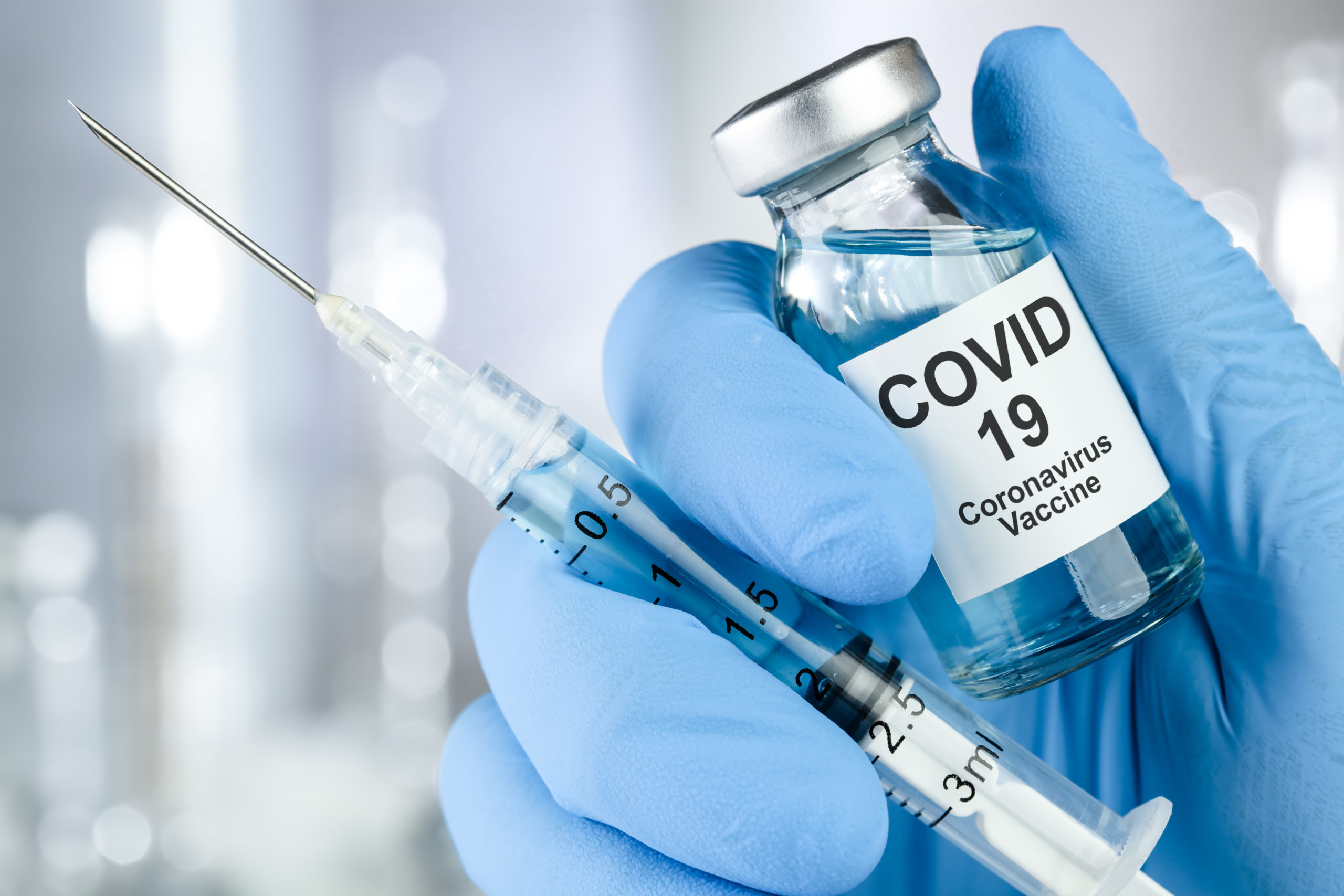
À l’heure où le virus continue de se répandre en France malgré le (re)confinement, les laboratoires américains Pfizer et BioNtech annoncent la découverte d’un vaccin fonctionnant dans 90% des cas. La distribution de ce nouveau vaccin pourrait cependant être freiné par la propriété intellectuelle si les autorités publiques n’agissent pas à temps.
The glimmer of hope: BNR162b2
This glimmer of hope comes from «BNT162b2», mRNA vaccine already hailed by Pfizer CEO Albert Bourla as «a critical milestone in [the company's] vaccine development programme at a time when the world needs it most».
But what precisely does this «critical stage» consist of? It is a vaccine based on messenger RNA technology, which enlists the body's own mechanisms by instructing it on how to defend itself against the virus. Strands of genetic instructions called messenger RNA are injected into the body, meaning the molecule tells our cells what to manufacture. The vaccine's messenger RNA enters the cells, then takes control of them to make them produce a specific coronavirus antigen: in this case, the coronavirus's «spike», its tip located on its surface that allows it to attach to human cells to penetrate them. This spike, which is harmless in itself, will then be detected by the immune system, which will produce antibodies, and these antibodies will remain, on guard for a certain, as yet undetermined, duration.
Intellectual property: a barrier to vaccine development?
What what about intellectual property in all of this? For several months, some experts have tried to alert public authorities, such as the’The Boufflers Institute in France, or South Africa's representatives at the WTO. Without success. Yet the problem is significant. BNT162b2 is further proof of this.
First, the company Allele supports that the vaccine Pfizer and BioNTech counterfeit his patent concerning the biotechnological application of a fluorescent protein, mNeonGreen. That being said, the patent holder appears to solely be seeking reasonable royalties. However, it cannot be ruled out that this claim, and perhaps others, may hinder the development of the vaccine.
Next, the development of messenger RNA involved the use of a platform technique, for which a patent had already been opposed by the company. Arbutus Biopharma at the laboratory Moderna Therapeutics, which is also developing one of the world's most advanced Covid-19 vaccine projects.
Finally, and most importantly, Pfizer and BioNtech will undoubtedly seek to protect their discovery. Now, although mRNA vaccines are generally considered easy to obtain, which limits patent protection, even if these were absent from the equation (which remains doubtful), it is nonetheless true that the transfer of know-how specific to Pfizer and BioNTech would undoubtedly be necessary to produce BNT162b2. Furthermore, while the State may require the implementation of a compulsory licence to ensure access to patents, this procedure is very cumbersome and does not allow regulatory exclusivities to be bypassed.
Be that as it may, Pfizer and BioNTech, unlike other players in the sector, such as AbbVie and Moderna Therapeutics have not committed to providing free and conditional access to their intellectual property related to Covid-19.
At this stage, when research is beginning to yield results, it is high time that the French government, which otherwise claims to be reclaiming pharmaceutical sovereignty, finally addresses these intellectual property issues, if we do not want to find ourselves facing a stalemate reminiscent of last spring's mask imbroglio.