
Guest Writer I Lifting patents on vaccines: what if we used the licensing mechanism that already exists?
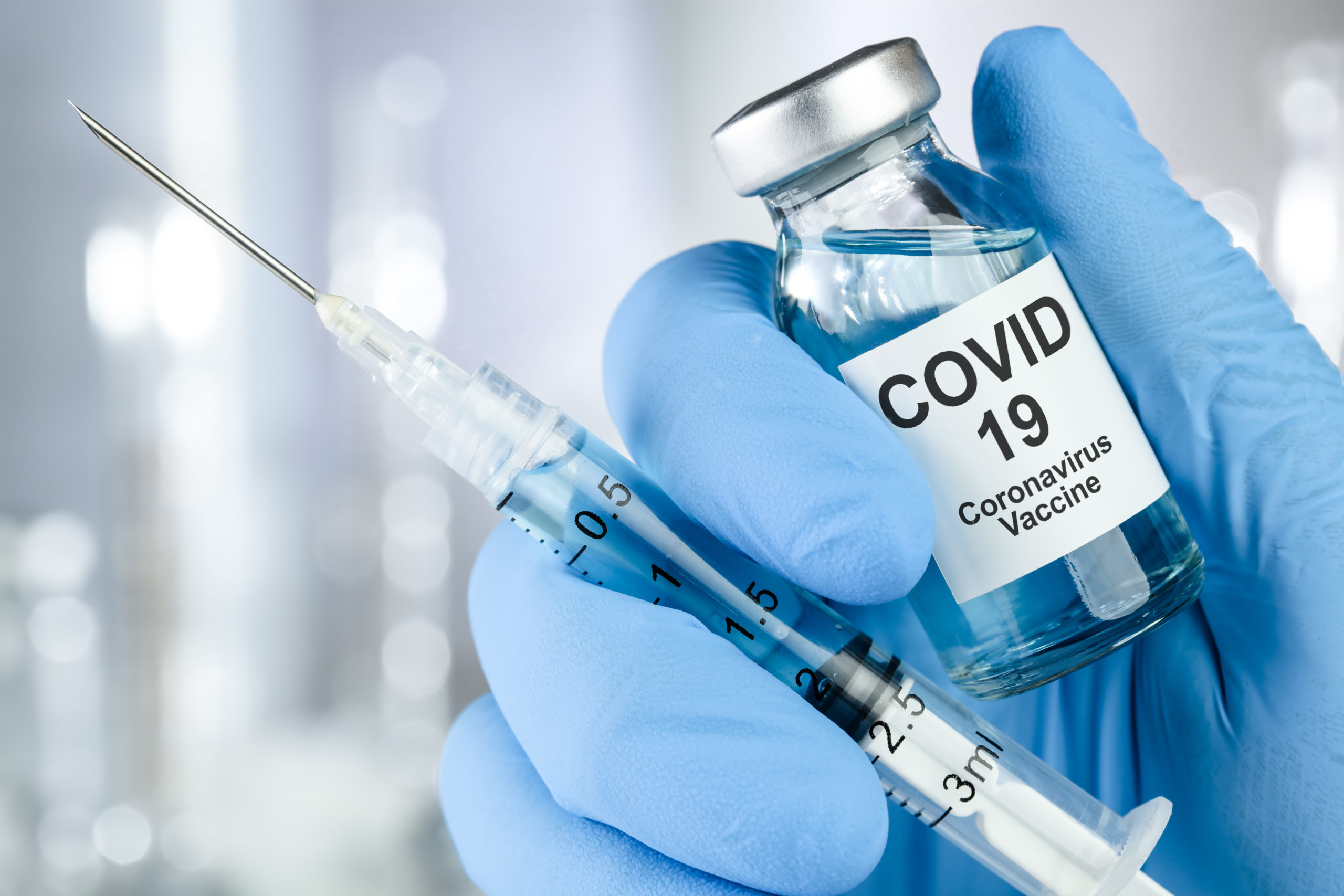
Destinés à récompenser l’innovation par une exclusivité temporaire de 20 ans sur l’exploitation des inventions issues de la recherche, les brevets émergent rarement du discours politique. Pourtant, depuis l’annonce du 5 mai de l’administration Biden qui apporte son soutien à la proposition de suspension des droits de propriété intellectuelle liés à la Covid-19 née à l’OMC sous la houlette de l’Afrique du Sud, le sujet de la levée des brevets s’est imposé dans le débat public.
What is a patent for?
Often caricatured as instruments for filling the coffers of «Big Pharma» shareholders, not least by keeping the secrets of their formulas, patents are, in reality, instruments for incentivising research, particularly for amortising R&D investments.
A patent is indeed a title of ownership relating to an invention which is issued by an administrative body (i.e. INPI) that grants, for a period of 20 years and in exchange for the invention it protects, exclusivity over the invention. In other words, contrary to what is often heard, a patent does not guarantee any secrecy, but allows the dissemination of research, since it is public.
Therefore, lifting patent protections would discourage private research investment, which is far greater than public research investment. Such discouragement would thus appear, at the very least, in similar situations (e.g., a pandemic requiring a new vaccine due to a variant). Not to mention that in the current case, patents, for now, do not concern vaccines as such, but manufacturing methods (such as mRNA) that were invented before the pandemic and which stem solely from private investment. Finally, patents are very often held by SMEs and not multinational corporations, as is the case with BioNTech or Moderna, for example.
A «waiver» of patents and intellectual property suspension at the WTO
A discussion has been ongoing at the WTO since autumn 2020 concerning a potential waiver of intellectual property rights related to the current pandemic. There is also talk of a «patent waiver,» but in reality, all intellectual property rights are included, not just patents.
This suspension would therefore constitute an expropriation, temporarily at first, meaning that everyone would have free access to intellectual property, mainly patents, related to COVID-19, and free of charge (i.e. without paying royalties).
It should also be highlighted that the suspension, which certain countries, with South Africa at the forefront, are campaigning for, aims solely to prevent states from being obliged to act at a national level. This initiative within the WTO is indeed less about expropriation as such than it is about shifting decision-making to an international level, thereby avoiding states being forced to act individually, and thus risking the flight of the pharmaceutical industry from their territories.
Indeed, the expropriation of patent holders is not in compliance with France's international commitments, as France has signed the TRIPS Agreement (Trade-Related Aspects of Intellectual Property Rights) within the framework of the WTO. This Agreement makes provision for the possibility of limiting the use that can be made of a patent, subject to strict conditions. States are free to make provision for measures to this effect in accordance with the Agreement, but they cannot provide for expropriation; only limitation under certain conditions is permitted. Thus, in France, the Intellectual Property Code establishes a system of compulsory licensing, which allows the State to facilitate access to patents when the public health interest requires it (Article L. 613-16 of the Intellectual Property Code).
The real ignored problem: the lack of commitment of the office licence procedure
Ultimately, it is difficult to understand why the President of the Republic and, with him, the entire executive branch, content themselves with opposing or favouring the suspension of intellectual property rights, while pretending to ignore the mechanism of compulsory licensing, which exists in our positive law and could facilitate the manufacture of vaccines.
This office licence allows the State to grant access to intellectual properties in exchange for minimal royalties, which it will have negotiated itself with the owners (patent holders, for example).
The absence of implementation of office licensing is surprising, as it is present in our positive law (L. 613-16 of the Intellectual Property Code) and compliant with the TRIPS Agreement (art. 31 bis). It would be up to the State to implement this procedure and negotiate with manufacturers, likely for lower royalties than in normal circumstances, and then grant licences to all manufacturers wishing to do so. The State could thus shift its control from distribution to production by opening up manufacturing to all those ready to produce. This type of licence could thus maintain a balance between rewarding research and the public health interest.
However, it should be noted that a bill tabled in the Senate on 8 April, with a view to granting such a licence, could (finally) remedy this regrettable government deficiency.
This opinion piece was published in Challenges.