
Opinion column I Lifting patents: when public debate gets it wrong
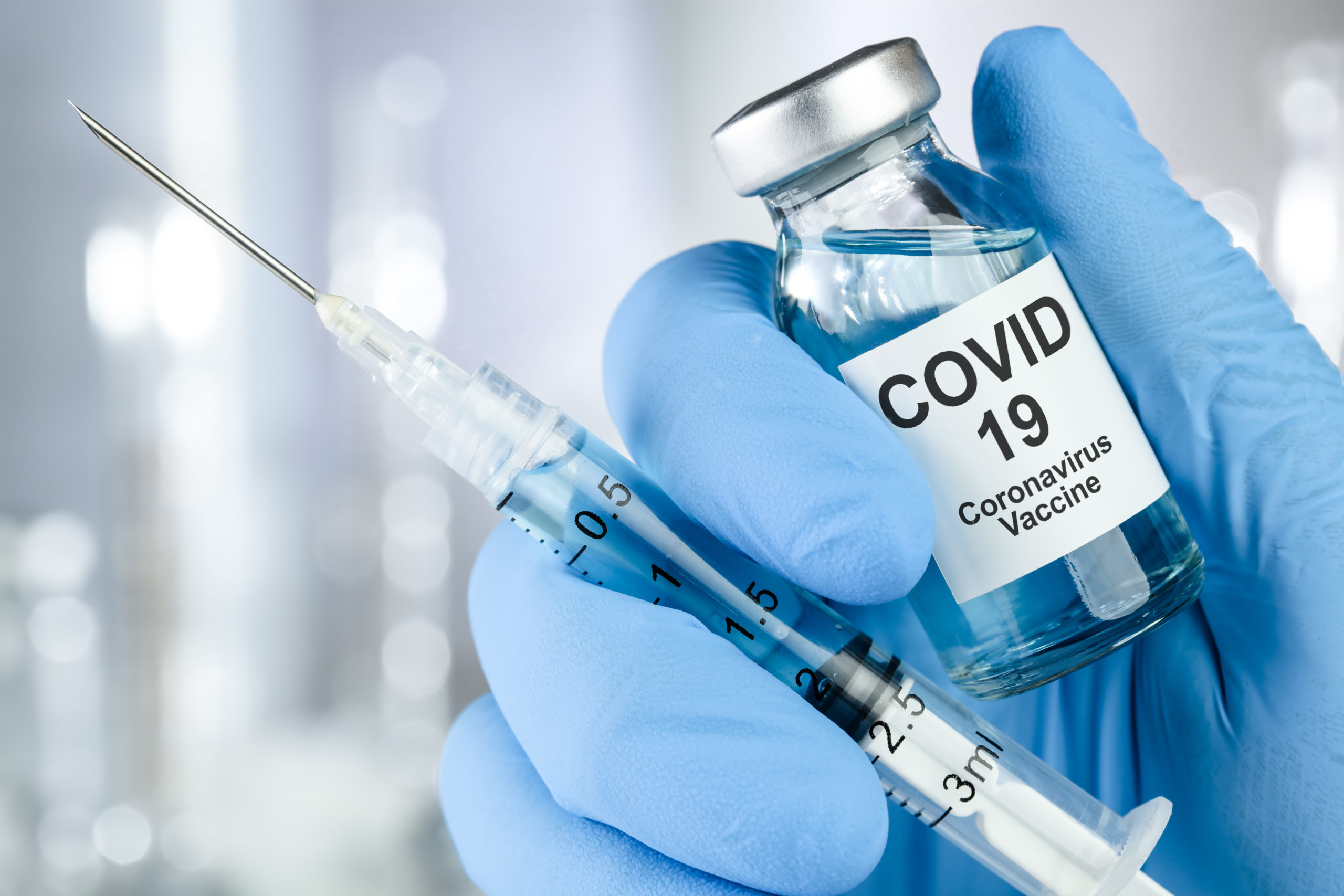
The event is rare enough to be noteworthy: on April 23rd, President Emmanuel Macron mentioned patents in a speech calling for countries with vaccines to share them, while opposing the «lifting» of patents. This controversy over the «lifting» of patents is nevertheless a red herring, diverting the debate from the real issue: the initiation of the compulsory licensing procedure.
Patents, which are designed to reward innovation with temporary exclusivity for 20 years, rarely emerge from political discourse. Thus, in his statement on 23 April, President Macron, like the Ministers of Health and Industry before him, affirmed that he is opposed to the «lifting» of patents with a view to resolving the health crisis. This statement is surprising for its irrelevance to the reality of the patent system.
A «waiver» of patents contrary to WTO Agreements
The idea of patent «waivers» has gained traction at the start of the year, particularly from the far-left of the chamber where a proposed amendment originated: «waiving» patents would allow vaccines to become common goods, thus freely accessible. This is not a new idea and is regularly found in the discourse of NGOs, which keep patents in their sights whenever the inability of certain countries to cope with health crises such as Ebola or HIV is mentioned.
Yet, this idea of «lifting» patents sounds hollow when confronted with the test of reality. Above all, one cannot fail to note that it leads to bypassing the real problems, and therefore, with them, the conceivable solutions.
Such a «waiver,» which would involve suspending the effects of patents, legally implies expropriation. This is also what explains why the proponents of this «waiver» align with those advocating for vaccines to become common goods of humanity or global public goods, in other words, goods that do not suffer from any exclusivity, and therefore no ownership.
Or, l’expropriation des titulaires de brevets n’est pas conforme aux engagements internationaux de la France, puisque celle-ci a signé, dans le cadre de l’OMC, le Traité sur les ADPIC (aspects des droits de propriété intellectuelle qui touchent au commerce). Ce Traité prévoit en effet la possibilité de limiter l’usage pouvant être fait d’un brevet sous réserve du respect de conditions strictes. Les États sont libres de prévoir des dispositions en ce sens conformément au Traité, mais ne peuvent prévoir une expropriation, seule la limitation sous certaines conditions étant permise. Ainsi, en France, la Code de la propriété intellectuelle met en place un système de licence d’office, qui permet à l’État de faciliter l’accès aux brevets quand l’intérêt de la santé publique l’exige (article L. 613-16 du Code de la propriété intellectuelle).
A patent «waiver» contrary to discussions at the WTO
That said, discussions are ongoing at the WTO regarding a potential waiver of intellectual property rights related to the current pandemic. However, this waiver does not only target patents but all intellectual property, and appears unlikely to succeed at the moment given the discussions at the WTO.
It should also be stressed that the suspension that certain countries, led by South Africa, are advocating for, solely aims to prevent states from being compelled to act at a national level. This initiative within the WTO is indeed less about expropriation as such, and more about shifting decision-making to an international level, thereby preventing states from being obliged to act individually and thus risking driving the pharmaceutical industry away from their territories. In other words, we are at the opposite end of the spectrum from vaccine nationalisation, which is often linked to the «lifting» of patents.
The real ignored problem: the lack of commitment of the office licence procedure
Ultimately, it is difficult to understand why the President of the Republic and, with him, the entire executive are limiting themselves to opposing the «lifting» of patents while pretending to ignore the compulsory licensing mechanism, which exists in our positive law and could facilitate vaccine production.
However, it should be noted that a bill tabled in the Senate on 8 April, with a view to granting such a licence, could (finally) remedy this regrettable government deficiency.
This op-ed was originally published in Les Échos.